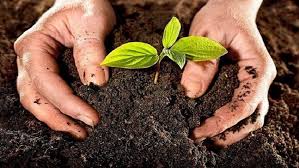
What a feasibility study analyses in this sector
- Soil & water analysis
- Crop / activity selection
- Irrigation & infrastructure
- Seasonality & pre-production period
- Expected return per feddan / hectare
Examples of agricultural projects we study
Land reclamation and field or horticultural crops, greenhouses, date-palm plantations, livestock, poultry and fish farming, sorting, packing and cold-storage stations, and agro-processing projects linked to the farm.
What does an agricultural feasibility study analyse?
- Soil and water: soil-test results and the source, quantity and quality of water, and whether they suit the proposed crop.
- Crop or activity selection: comparing alternatives by expected yield, local demand and export potential.
- Irrigation and infrastructure: the cost of wells or modern irrigation networks and the energy to run them, plus buildings and stores.
- Seasonality and crop cycle: planting and harvest timing, the time to first production and its effect on cash flow in the early years.
- Marketing: sales channels to local markets, exporters or processors, and price swings between seasons.
- Costs and returns: reclamation, operating, labour and input costs, and the expected return per feddan or hectare.
Key risks in agricultural projects
Risks include water shortages or declining water quality, weather and pests, crop prices that swing from one season to the next, and the long wait for first production with perennial crops such as palms and fruit trees — which requires enough funding to cover the pre-revenue years. We build the study on scenarios that account for these variables.
What to prepare before the study starts
It helps us to know the location, area and legal status of the land — owned, leased or under a usufruct right — the available water source and the results of any earlier soil or water tests, the crops or activities you are considering, whether you are targeting the local market or export, and the capital available. Knowing your own or your team’s farming experience also lets us estimate yields more realistically and propose the right farm-management set-up.
How SCOOP helps
We combine technical data on land and water with market and price data, compare agricultural alternatives, prepare financial projections that reflect seasonality and the pre-production period, and format the study for agricultural lenders when needed.
FAQ: feasibility studies in the Agricultural Sector
Do I need soil and water tests before the feasibility study?
It is recommended, because the results determine which crops are possible, their yield and irrigation cost. If tests are not yet available, the study states the assumptions used and recommends carrying them out before implementation.
How does the study handle the period before the first harvest?
We calculate the funding needed for the pre-production years and reflect it in the cash flows, so you know how much capital is required to get through that period safely.